We are proud to share a targeted, feline-specific medication for Feline Chronic Gingivostomatitis that delivers antiviral, anti-inflammatory, and antimicrobial support in one precision-based treatment.
We are proud to share a targeted, feline-specific medication for Feline Chronic Gingivostomatitis that delivers antiviral, anti-inflammatory, and antimicrobial support in one precision-based treatment.
We are proud to share a targeted, feline-specific medication for Feline Chronic Gingivostomatitis that delivers antiviral, anti-inflammatory, and antimicrobial support in one precision-based treatment.
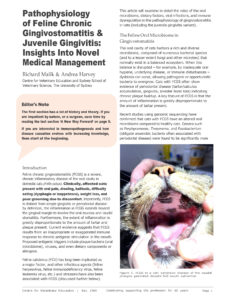
This webinar reviews Feline Chronic Gingivostomatitis (FCGS), including its link to feline calicivirus, immune dysfunction, and current treatment options. It will present a new protocol using EIDD-1931, doxycycline, and meloxicam, with clinical outcomes, guidelines, common concerns, and welfare-based decision-making.
Source: Richard Malik & Andrea Harvey Centre for Veterinary Education and Sydney School of Veterinary Science, The University of Sydney
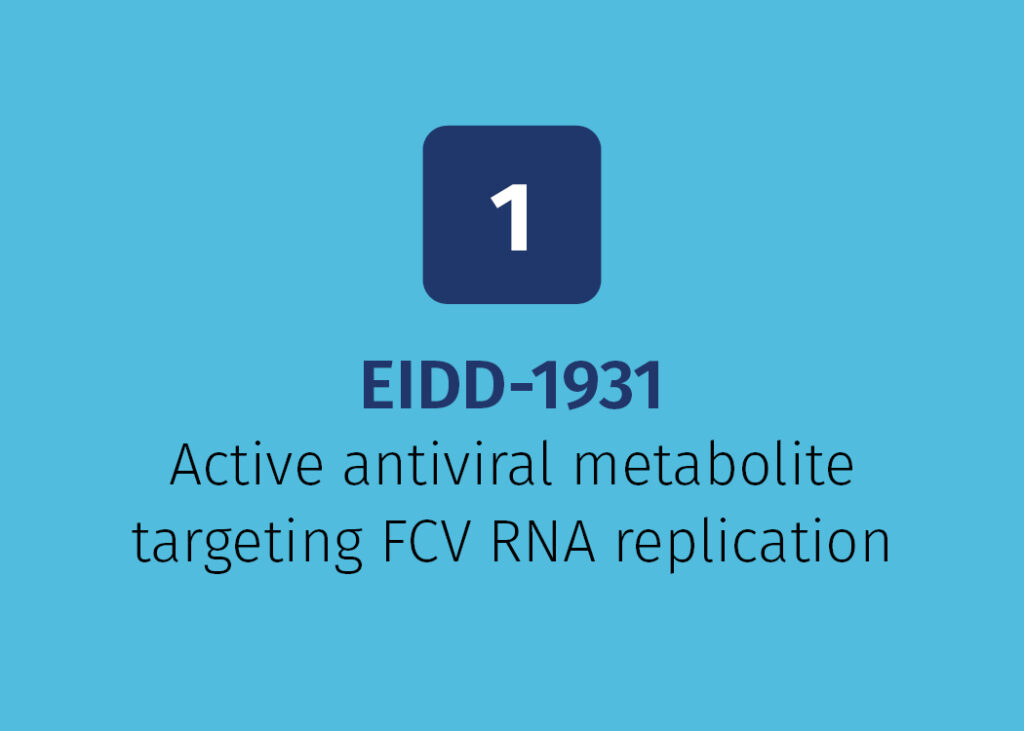
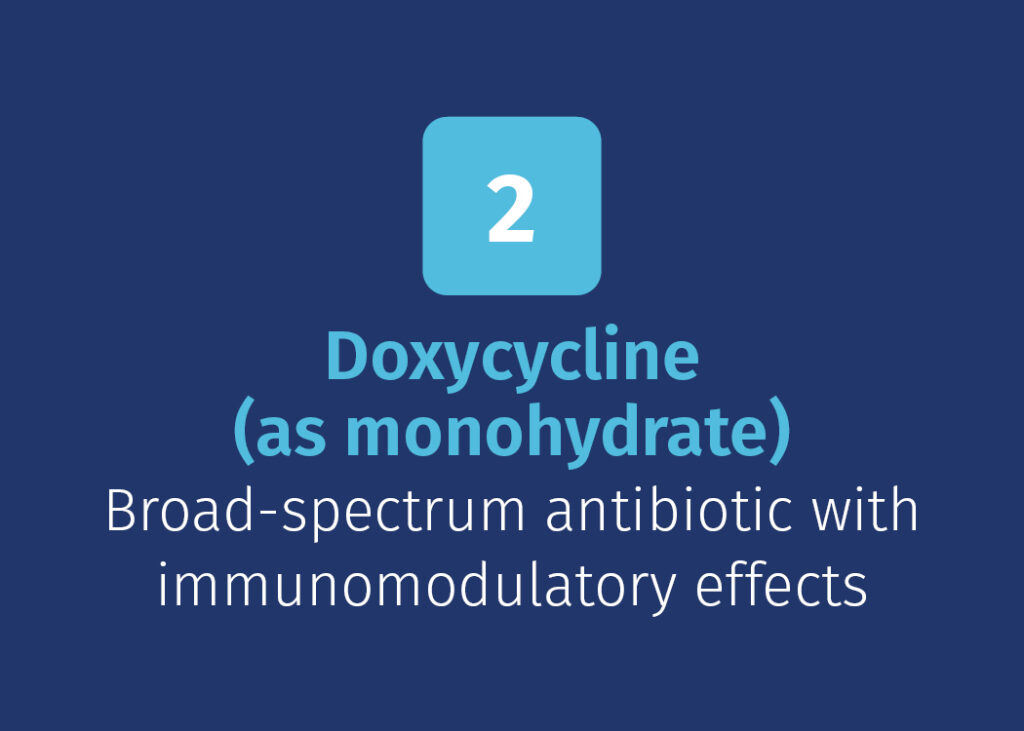
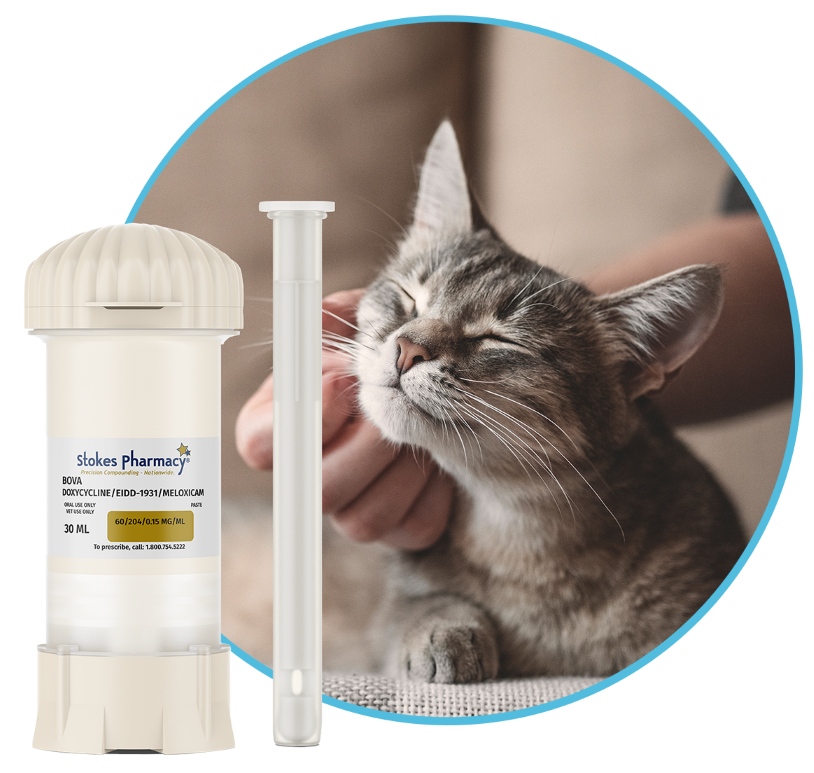
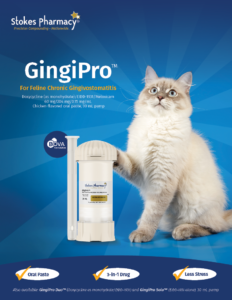
Doxycycline (as monohydrate)/ EIDD-1931/Meloxicam
60 mg/204 mg/0.15 mg/mL
Chicken flavored oral paste, 30 mL pump
Also available: GingiPro Duo™(Doxycycline as monohydrate/EIDD-1931) and GingiPro Solo™ (EIDD-1931 alone), 30 mL pump
Available by patient prescription only through Stokes Pharmacy
Stokes Pharmacy has formed an exclusive partnership with the Bova group to offer a U.S.-made oral treatment for FCGS. This treatment is supported by Bova’s unique drug formula, which has been utilized in Australia.

Call in your order at 800. 754.5222
*Registration for ifill takes up to 48 hours
This dosing guide provides example calculations for selected body weights. Cats should be dosed according to the standard mg/kg protocol, with clicks adjusted proportionally based on body weight.
|
Weight
|
3 kg cat
|
4.5 kg cat
|
6 kg cat
|
|---|---|---|---|
|
Total Clicks Per Day
|
2 Clicks
|
3 Clicks
|
4 Clicks
|
|
Frequency
|
Twice Daily
|
Twice Daily
|
Twice Daily
|
|
Daily Dosing
|
1 click in the AM
& 1 click in the PM |
2 clicks in the AM
1 click in the PM or 1 click in the AM 2 clicks in the PM |
2 clicks in the AM
2 clicks in the PM |
|
Doxycycline/
EIDD-1931/ Meloxicam (strength per dose) |
15 mg
51 mg 0.0375 mg |
22.5 mg
76.5 mg 0.05625 mg |
30 mg
102 mg 0.075 mg |
Standard Protocol (Bova Dose Rate)
Doxycycline: 5 mg/kg BID
EIDD-1931: 17 mg/kg BID
Meloxicam: 0.0125 mg/kg BID
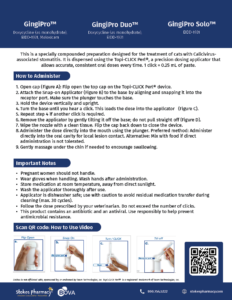
Administration
Best: Apply directly to oral mucosa for high local drug
concentration. Full safety instructions are provided with the product.
Alternate: Can be mixed into wet food if direct dosing
is not tolerated.
Targeted Antiviral Action with a Multi-Drug Approach
It is an antiviral-based topical therapy designed to target the underlying viral cause, particularly feline calicivirus (FCV). It centers on EIDD-1931 helping eliminate virus from oral tissues and address a root cause rather than just symptoms.
It targets the underlying viral driver of disease and offers a less invasive alternative or adjunct to full-mouth extraction, expanding treatment options for affected cats.
EIDD-1931 induces “error catastrophe” in RNA viruses like FCV, disrupting viral replication while sparing mammalian cells due to their DNA repair mechanisms.
Best suited for:
Not appropriate for:
No. It is not effective for non-viral conditions such as eosinophilic granuloma complex.
Because extended therapy helps ensure adequate viral suppression and reduces the risk of relapse.
Not all components are required in every case.
No it does not.
Yes it can.
Clinical response in Australia is being documented in a cohort exceeding 200 cats and has been characterized by rapid and progressive improvement. In most cases there is early resolution of pain, improved appetite and reduction in oral inflammation, followed by continued remission over a two-to three-month treatment course. These outcomes are being reproduced across multiple practices and in different clinical settings. A formal prospective analysis is in preparation and is supported by grants from the Sydney School of Veterinary Science. The current phase therefore represents translational clinical work in which a strong field signal is being converted into structured datasets. Initial outcomes were presented at the CVE Feline Medicine Conference (Sydney, February 2025) and subsequently described in Control & Therapy (May 2025) and in The Veterinarian.
This represents strong real-world clinical evidence, though large, controlled trials are still pending.
Because of:
The concept of contextualized care – tailoring treatment to the clinical, financial and social circumstances of the patient and caregiver – is now well recognized ins veterinary medicine. Within that framework, the availability of a less invasive and more affordable medical option is not simply a matter of convenience but of equity and patient welfare.
From this perspective, the relevant ethical balance is between the understandable desire for prospective, peer-reviewed data and the immediate responsibility to reduce suffering in a large population of affected cats for whom existing options are inaccessible, unsuccessful or declined.
Reported adverse effects include:
Most reported effects have been reversible.
Safety data for EIDD-1931 in cats have been presented in ACVIM proceedings (Kennedy & White, 2024) and are in preparation for full publication.
In practical terms, more was known about dosing and safety when EIDD-1931 was introduced for FCGS than when remdesivir was first used for FIP. In that setting, clinical practice evolved rapidly ahead of publication, and dosing recommendations changed as experience accumulated. The same translational pathway is occurring here. There is now substantial in vivo safety information for molnupiravir in human medicine, and feline experience also with EIDD-1931 for FIP – including prolonged administration at systemic exposures higher than those required for calicivirus-associated mucosal disease – has been reassuring. With experience in Australia to date, adverse effects have been uncommon and generally mild. Localized alopecia around the muzzle, hyperpigmentation and dose-related neutropenia have been the most consistent findings. Treatment is response-guided and finite, with cessation once sustained clinical remission is achieved.
Meloxicam is included at approximately half the standard oral daily dose.
Standard NSAID precautions apply:
The paste can be compounded without meloxicam.
EIDD-1931/molnupiravir is mutagenic in vitro. However, in vivo animal studies at therapeutic doses have not demonstrated clinically significant mutagenicity or carcinogenicity. Many commonly used veterinary drugs carry similar or greater theoretical risks.
Use gloves when handling this drug. Women who are or may potentially be pregnant or nursing should not handle this drug. Caution is also advised for men planning to conceive. Standard hygiene (e.g. hand washing after administration) is appropriate. Precautionary advisory notes are written on the product labels.
There is currently no clinical evidence of resistance development in treated cats. Resistance remains theoretical, particularly with inappropriate dosing. Veterinary oversight and appropriate case selection are essential. As in all areas of antimicrobial use, the balance is between theoretical long-term risk and the immediate welfare of animals with severe, life-limiting disease.
Antimicrobial stewardship supports appropriate, biologically justified use rather than the withholding of indicated therapy.
• Used in targeted, virus-associated cases only
• Not intended for routine or empirical use
• Therapy is tailored and time-limited
Doxycycline is widely used in FCGS for:
• Activity against oral anaerobes
• Immunomodulatory properties
It is commonly prescribed already in these cases. While stewardship principles apply, their inclusion reflects existing standard practice rather than escalation.
The protocol is not intended for empirical use in all cats with gingivitis or periodontal disease. Its application is confined to cases in which FCV involvement is confirmed by RT-qPCR, or where there is a characteristic caudal stomatitis phenotype or juvenile gingivitis, with clinicopathological features strongly supportive of FCV-associated FCGS and alternative primary causes have been excluded. This represents targeted, pathogen-directed therapy and is consistent with contemporary antimicrobial-stewardship frameworks.
There is no defined minimum diagnostic database required prior to initiating the paste. However, appropriate clinical judgment should be applied to determine whether baseline blood parameters are warranted, based on the cat’s age and any concurrent clinical signs.
For example, in an older cat where chronic kidney disease is a concern, assessment of renal analytes is advisable before starting a meloxicam- containing paste. This approach is consistent with standard practice when prescribing meloxicam alone for conditions as osteoarthritis. Where there are concerns regarding meloxicam use, the paste may be ordered without meloxicam.
In patients with feline immunodeficiency virus (FIV), a baseline complete blood count (CBC) is recommended, as FIV-positive cats may be neutropenic. Occasional neutropenia has also observed with EIDD-1931, further supporting the value of baseline hematology in these cases.
In summary, while no minimum database is mandated, clinical judgment should guide pre-treatment assessment. The primary considerations are renal analytes and CBC. In a young, otherwise healthy cat, routine pre-treatment testing is generally not required.
For cats requiring treatment beyond one month, reassessment of CBC to monitor for neutropenia is advisable. If a cat becomes unwell while receiving the paste, treatment should be temporarily discontinued and CBC and renal analytes evaluated. If results are within normal limits, therapy may be resumed.
It should also be noted that doxycycline may cause inappetence and/or vomiting in some cats, although it is not associated with hematologic abnormalities. This should be considered when evaluating reduced appetite in a cate receiving the paste.
No. Other antivirals (e.g., FIP treatments like remdesivir) have different mechanisms and are not effective against FCV.
No. Prednisolone suppresses immune function and may reduce antiviral effectiveness. Cats should be weaned off steroids first.
There is no fixed treatment duration as it is very dependent on the individual case, the clinical response of the disease, and how well the cat is tolerating the treatment. We do not currently have definitive treatment duration studies available.
It is also important to consider treatment duration in terms of the drug combination – duration of triple therapy of EIDD-1931/doxycycline/meloxicam vs dual therapy with EIDD-1931/doxycycline or monotherapy with EIDD-1931. Most cats should not require the doxycycline and meloxicam components beyond one month unless they have particularly severe disease.
In general, the EIDD-1931 component of the treatment should be continued until clinical resolution, but generally not longer than 3 months of treatment. Further, any dental pathology also needs to be addressed either prior to therapy or within 1-2 months of starting treatment.
Most treated cats to date that we have information on have required 4-12 weeks of EIDD-1931. Assessment of treatment response should be made on a monthly basis, asking the following questions to inform ongoing decisions regarding treatment:
If there is good clinical improvement after a month, without resolution, dental pathology has been addressed, and the treatment is well tolerated and so continued to 3 months, and at that stage there is still not complete resolution, then further case advice should be sought.
A key message here is that definitive treatment protocols are a work in progress and feedback on case responses and any adverse events will be vital to the continued improvement of treatment protocols.
Yes. Some cats relapse after discontinuation. Re-treatment has been successful in reported cases. Long-term cure rates are still being defined.
No. This represents a significant therapeutic advancement but remains an evolving protocol. Some cats may require retreatment, need adjunctive dental intervention, require individualized dosing strategies. Ongoing research is aimed at refining optimal dosing duration, combination therapy protocols, and long-term outcomes.
It allows treatment to be tailored to the patient’s medical needs and the owner’s financial and practical constraints.
No. It is still in the translational research phase, with growing clinical use and ongoing validation.
We understand that some pet owners may find the syringe difficult to use. We are currently evaluating alternative delivery devices and syringe options to improve ease of use while still maintaining accurate dosing. At this time, the syringe included with the medication provides the most precise dosing, which is important for safe and effective administration.
If using the syringe remains challenging, you may consider alternative administration methods. The medication can be applied with a clean, gloved finger by gently smearing the paste onto your cat’s gums, or it may be mixed with a small amount of food if that works better for your pet. These options may help simplify administration while still allowing your cat to receive the medication.
There are no known drug interactions between SGLT2 inhibitors and EIDD-1931/doxycycline in this combination therapy. However, if the cat’s diabetes is not well controlled, meloxicam should be used with caution or avoided, as poorly controlled diabetic cats are prone to dehydration.
No washout period is needed — it’s a simple, clean handover. Because Atopica (oral cyclosporine) is a once-daily medication, your pet can finish their last dose and start GingiPro™ the very next day. There’s no need to wean or gradually reduce the dose first.
It depends on the medication. Here’s a quick guide based on evidence-based veterinary guidelines:
The information provided in these FAQs regarding GingiPro™ is based on data and educational materials supplied by Bova Group and ongoing research conducted in Australia. This content is intended for educational and informational purposes only. While every effort has been made to ensure that the information presented is accurate and current at the time of publication, veterinary medicine is an evolving field, and new research may become available. The information on this site is not intended to replace the advice, diagnosis, or treatment recommendations of a licensed veterinarian. Veterinarians should use their professional judgment and consult relevant prescribing information and clinical resources when determining the most appropriate treatment for their patients. Pet owners should always consult their veterinarian regarding any questions about their pet’s health or treatment plan.

503A Traditional Compounding Pharmacy

503B FDA Registered Outsourcing Facility

Stokes/Epicur Online Ordering Platform